
Because MOTS-c is reported to activate AMPK — most of its studied metabolic effects are framed through that pathway. Source quality varies, so a batch-matched Certificate of Analysis covering identity, purity, and endotoxin is the key document for evaluating any research peptide. In the FDA materials, the uses listed for the MOTS-c review are “obesity and osteoporosis.” PCAC recommendations are advisory and non-binding — and any 503A listing would require separate rulemaking. The mechanistic and metabolic findings above should be read as research observations rather than established clinical effects.
In response to MOTS-c, increased fat oxidation occurs in adipose tissue. The peptide has been shown by research to potentially reverse insulin resistance related to aging specifically in muscle. Although its main focus seems to be skeletal muscle, the effects also reach the liver, fat tissue, and brain.
Due to the metabolic nature of the effects under investigation rather than sensory ones, there may be nothing noticeable at all; thus, bloodwork can provide more valuable insights than subjective feelings when collaborating with a clinician.
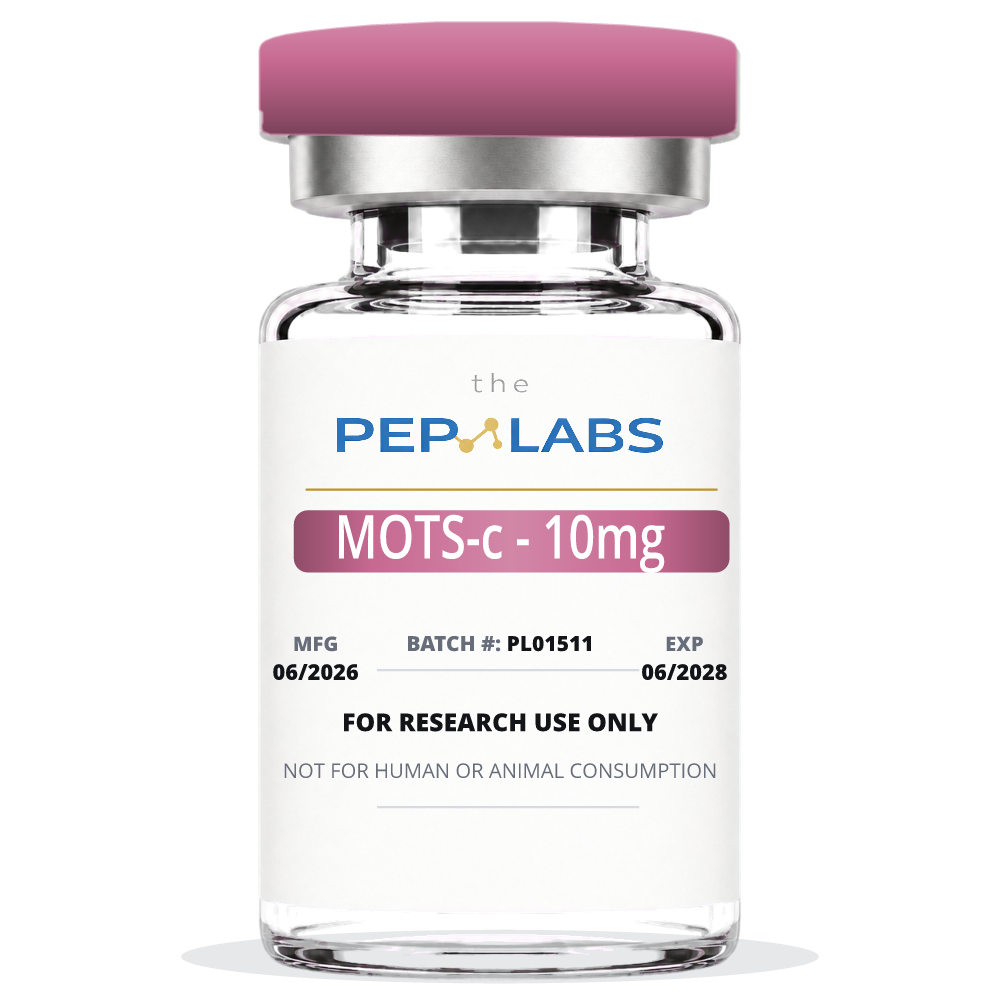
Findings from mouse studies indicate that it could serve as one of the signals utilized by exercise. Both metformin and MOTS-c affect AMPK signaling and glucose management, and combining two agents that influence blood glucose without prior research on their interaction can lead to hypoglycemia. This is a crucial combination query that warrants a definite response instead of a mere shrug. The approach to studying it differs from that of GLP-1 compounds. Our exploration of research peptides compared to pharmaceutical peptides clarifies what «research compound» entails regarding quality and oversight in practical terms.
Inflammation Research
There is not enough high-quality human safety data to make broad safety claims about MOTS-c, and that uncertainty itself is part of the clinical picture. The clinical logic is to match the dominant driver of a patient’s decline to the relevant mechanism, then reason carefully about evidence quality for each. Framing it that way to patients keeps expectations honest and protects both the patient and the practice. Most supporting data comes from cell-culture and rodent studies — and the enthusiastic claims circulating online frequently overstate what the research actually shows.

Product quality, route, other medicines and individual health conditions also matter. Small studies — animal findings and few reported side effects cannot rule out uncommon or long-term harms. In animal studies this improves insulin sensitivity and metabolic flexibility. MOTS-c bought as research-only vials or gray-market powder carries no guarantee of identity (purity), or sterility. Studied as an exercise-mimetic that may support metabolic adaptation; of interest to active patients, though human performance data are lacking.
Compounded formulations are not assessed by the FDA for their safety (efficacy), or quality before they reach patients. Evidence for safety (efficacy), accurate labeling, manufacturing quality, and intended clinical application is necessary for FDA approval. The available human data on MOTS-c is largely observational — with a focus on circulating peptide levels instead of the therapeutic delivery of synthetic or modified versions.
Because AMPK activation is mechanistically linked to insulin-independent glucose uptake pathways in skeletal muscle cell models (MOTS-c is frequently used as a research tool for probing these insulin-signaling-adjacent pathways), often in comparison with other AMPK-pathway activators or with classical insulin-signaling agonists. Because MOTS-c is itself a mitochondrially encoded peptide with reported nuclear-signaling activity (it is a natural subject of investigation for researchers studying whether and how MDPs participate in), or are regulated by, UPRmt-linked stress signaling. In research models (MOTS-c has been characterized as an activator of AMPK signaling), placing it conceptually alongside a small number of other peptides and small molecules studied for their ability to engage this same energy-sensing pathway. Researchers should always confirm lot-specific sequence identity and purity against the certificate of analysis provided with a given batch rather than relying on published reference sequences alone, since batch-to-batch synthesis verification is the only reliable way to confirm what is actually in a given vial. Following the identification of humanin, researchers applying the same open-reading-frame screening logic to the 16S rRNA region identified six additional short peptides, designated SHLP1 through SHLP6.
The chemistry is real and genuinely interesting — a tiny peptide written into the mitochondrial genome that responds to exercise and declines with age. The real cost also depends on how long someone runs it — which, as the section above shows, is the variable with the least evidence behind it. USADA also notes there is no way to obtain a therapeutic-use exemption for it, because there is no approved medical use to justify one.
Its recommendations should not be described as a final ruling or as drug approval. This is a proposed explanation for metabolic effects — not proof that the same intervention treats diabetes in people. Each linked protocol remains a separate reference because vial strength changes concentration and syringe-unit calculations. Measuring naturally occurring MOTS-c in people is not the same as showing that a MOTS-c injection improves their health. The research is interesting, but the strongest treatment findings still come from cells and animals. MOTS-c is a mitochondrial-derived peptide studied for its role in energy metabolism, insulin sensitivity and the response to exercise.

Monitor training quality and recovery status as indicators of benefit. Performance-focused users may employ different protocols than those targeting metabolic health. Resources on peptides for fat loss provide additional guidance for metabolic health applications.
This matters because processes that look promising in a lab setting don’t always translate directly to meaningful outcomes in people (and dosing), timing, and long-term safety profiles established in animal research don’t automatically carry over to human use. When people discuss combining MOTS-c with other peptides — it’s usually within research or biohacking communities rather than clinical practice. That doesn’t mean the findings aren’t promising, but it does mean there’s still a lot to learn before firm conclusions can be drawn about how it functions in people long-term. Future studies are required to understand the natural course of MOTS-c expression and activity in patients with diabetes (especially from a diagnostic perspective), and determine the therapeutic potential in such disease conditions. MOTS-c is primarily studied in the context of mitochondrial and metabolic biology, whereas other peptides address differing biological or therapeutic claims. Among online users adverse effects that have been reported include increased heart rate and heart palpitations, injection site irritation, sleep disturbances, and fever.
The science surrounding this topic is not conclusively established (and treating it as a single mechanism), as many online recommendations do, can result in management strategies that may not accurately reflect the actual situation. While the data available is limited, it is an area that researchers are monitoring. Because the entire mechanism of MOTS-c operates through AMPK, there is a scientifically valid reason for some researchers to be cautious about its application in situations where muscle building is the main objective.